
Understanding the psychological triggers behind addictive gambling behavior
The Allure of Gambling: What Draws Individuals In
The thrill of gambling is undeniably captivating, as many individuals are drawn in by the potential for instant gratification. The excitement associated with winning, whether it be a jackpot or simply a few successful bets, can release dopamine in the brain, creating feelings of pleasure and reinforcing the behavior. Sankra casino online provides an exciting entry point for gamers, and this biochemical response establishes a powerful emotional connection to gambling that can sometimes lead to compulsive habits. The anticipation of winning creates a cycle of craving and reinforcement that fuels further gambling activities.
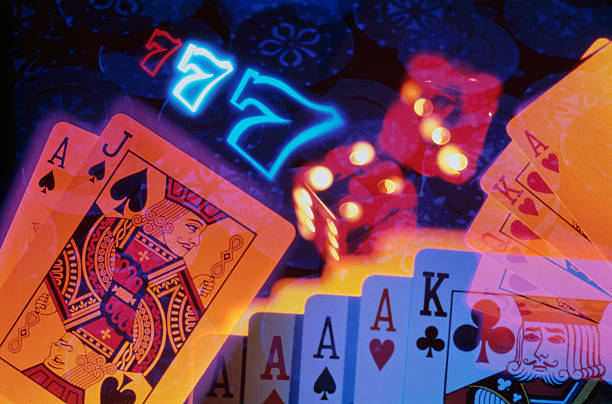
Moreover, environmental factors play a significant role in drawing people into gambling. The bright lights, enticing sounds, and appealing aesthetics of casinos or online platforms enhance the sensory experience, making it difficult for individuals to resist. Psychological studies suggest that these environmental triggers stimulate an almost addictive craving, increasing the likelihood that someone will gamble beyond their means. It is this convergence of excitement and sensory stimulation that makes gambling so alluring and potentially dangerous.
An important aspect of gambling behavior is its association with social interactions. Many people enjoy gambling as a social activity, often participating in group settings where camaraderie and shared excitement amplify the experience. This social reinforcement can encourage individuals to gamble more frequently, as they seek validation and connection through these shared moments. As a result, the lure of social acceptance can intertwine with the psychological triggers, contributing to a greater risk of developing addictive behaviors.
The Psychology of Risk and Reward
The psychological concept of risk and reward is central to understanding gambling behavior. Individuals often weigh the potential rewards against the risks involved, and this calculus can lead to irrational decision-making. The human brain is wired to seek rewards, and gambling offers the prospect of significant financial gains. This often leads to a cognitive distortion where gamblers overestimate their chances of winning, leading to more frequent gambling in hopes of achieving that elusive jackpot.
Furthermore, the “near-miss” effect significantly impacts gambling behavior. When players come close to winning, it generates a sense of excitement and reinforces their desire to continue playing, even if they ultimately lose. This phenomenon makes it challenging for individuals to recognize their losses objectively, leading to a cycle of continued betting. They might believe that the next attempt could be their winning moment, despite mounting evidence to the contrary.
Additionally, emotional states can heavily influence gambling decisions. People often turn to gambling as a way to escape stress, anxiety, or boredom. In these moments, the desire for a quick financial fix can cloud judgment, prompting individuals to gamble in ways they normally wouldn’t. This emotional connection can lead to habitual gambling as a coping mechanism, blurring the lines between casual betting and addictive behavior.
The Role of Cognitive Biases in Gambling
Cognitive biases play a significant role in gambling addiction. Gamblers often develop beliefs that can distort their perception of the game. For instance, the illusion of control can lead individuals to believe they can influence outcomes in games of chance. This misguided confidence can encourage them to engage in riskier betting behavior, as they believe their skills or strategies will ultimately lead to success. Such biases may lead to continued play despite losses, resulting in a harmful cycle of gambling.
The gambler’s fallacy is another prevalent cognitive bias, where individuals believe that past events influence future outcomes. For example, if a roulette wheel has landed on red several times in a row, some may mistakenly think that black is now ‘due’ to appear. This misconception can drive players to wager more aggressively, fueling a false sense of security that only exacerbates the risk of addiction.
Furthermore, confirmation bias causes gamblers to remember their wins while overlooking their losses. This selective memory reinforces their belief that they are ‘on a lucky streak’ or that their strategies work, prompting them to gamble more frequently. Such cognitive distortions hinder their ability to make rational decisions, making it difficult for them to step back and assess their gambling behaviors critically.
Emotional and Environmental Influences
Emotional states significantly affect gambling behavior, with many individuals using gambling as a form of escapism. When people experience negative emotions such as stress, anxiety, or depression, they may turn to gambling as a way to cope. This reliance can create a dangerous cycle, where the act of gambling temporarily alleviates emotional pain but ultimately leads to feelings of guilt and financial distress, reinforcing the desire to escape through further gambling.
Moreover, situational factors like peer pressure can exacerbate addictive behaviors. In social settings where gambling is prevalent, individuals may feel compelled to participate even if they are reluctant. The pressure to conform or to fit in can override personal limits, leading to decisions that contribute to a gambling addiction. This external influence is a significant contributor to the persistence of gambling behaviors, as individuals may prioritize social acceptance over their well-being.
Additionally, the normalization of gambling in society through advertisements and media portrays gambling as a fun and glamorous activity. This portrayal can trivialize the risks involved and make it easier for individuals to dismiss their concerns about gambling addiction. As such, the environment surrounding gambling can subtly reinforce addictive behaviors, making it essential to understand these influences to promote responsible gambling.

Exploring Resources for Recovery and Support
For those struggling with gambling addiction, numerous resources are available to facilitate recovery. Support groups, such as Gamblers Anonymous, provide a safe space for individuals to share their experiences and receive guidance from peers who understand their challenges. These programs often emphasize accountability and personal responsibility, helping individuals reclaim control over their gambling behavior.
In addition to support groups, counseling and therapy can be beneficial. Cognitive-behavioral therapy (CBT) has proven effective in addressing the cognitive distortions and emotional triggers that contribute to gambling addiction. Therapists work with individuals to develop coping strategies, confront irrational beliefs, and build healthier relationships with gambling. This tailored approach aims to restore a sense of balance and well-being in their lives.
Furthermore, many online platforms, such as Sankra Casino, prioritize responsible gambling practices. By implementing features like self-exclusion options and setting limits on deposits, these platforms encourage users to play responsibly. Awareness programs that educate players about the risks associated with gambling are also crucial in fostering a healthier gambling environment. Empowering individuals with knowledge helps them make informed decisions, reducing the likelihood of addiction.
Deja un comentario